
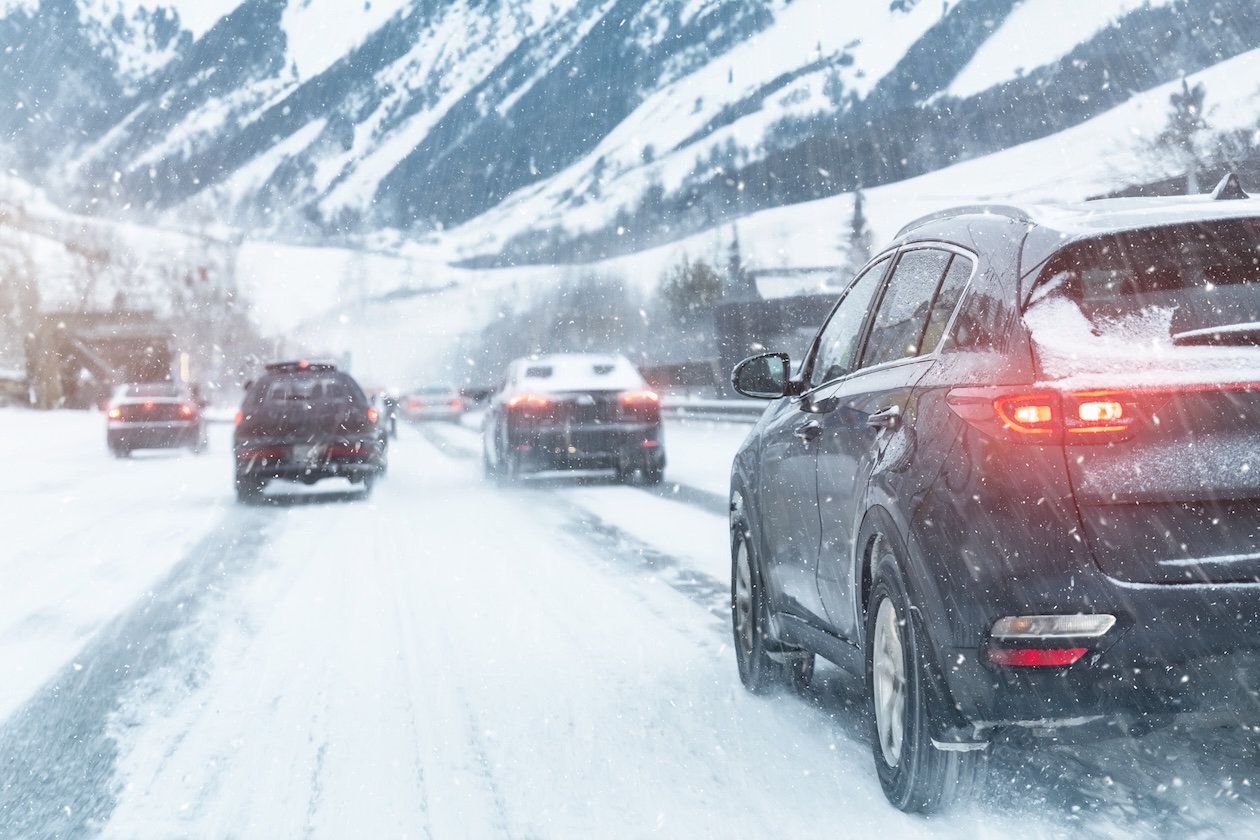
Seasonal weather plays a major role in the frequency of car accidents in Reno. Drivers in northern Nevada face sudden snowstorms, icy roads, steep mountain passes, flash flooding, and dry spells that create potholes throughout the region. These conditions can affect how crashes occur, how injuries occur, and how fault is determined under Nevada law. If you were hurt in a weather-related crash, speaking with a personal injury lawyer in Reno can help you understand your options and protect your claim from the start.
This guide explains how Reno’s weather impacts accident cases, what evidence matters most, who may be liable, and how an attorney can help you recover compensation after a crash.
Why Weather Matters in Reno Car Accident Claims
Weather is a major factor in many collisions across northern Nevada. Reno’s fast-shifting climate, mountain terrain and high elevation create conditions that can change frequently. Roads fe can become slick, flooded, shaded or unstable, and drivers often misjudge how their vehicles will handle in these environments.
Statewide numbers highlight how dangerous Nevada roadways can be. Zero Fatalities reports 419 traffic fatalities in Nevada in 2024 and 406 fatalities in 2023, continuing a pattern of elevated crash rates across the state. Hazardous conditions such as wet pavement, snow, ice, and reduced visibility frequently contribute to serious crashes. The weather also magnifies the risk for vulnerable road users. According to the National Highway Traffic Safety Administration, motorcyclists are 28 times more likely to die in a crash, a risk that increases significantly on icy or wet mountain roads common in the Reno-Tahoe region.
Reno’s Terrain and Elevation Changes
Reno sits at more than 4,500 feet above sea level. Temperatures drop quickly in the evening, leading to freezing conditions overnight and during early morning commutes. The region’s hills and varied grades make it harder for drivers to maintain traction and visibility, especially during winter storms.
Frequent Snow, Ice, and Freeze-Thaw Cycles
From November through March, snowstorms and freezing rain create layers of ice on major roadways. Black ice is especially dangerous because it blends into the pavement. Drivers who inappropriately assume the road is only wet often lose control without warning. These conditions mirror statewide findings showing that impaired traction and slippery surfaces regularly contribute to severe and fatal crashes.
Mountain Pass Risks
The Reno-Tahoe area is surrounded by steep, winding mountain highways. Crashes commonly occur on:
- Mt. Rose Highway
- Interstate 80 toward Donner Pass
- Geiger Grade
- Galena Creek and other shaded canyons
Weather in these areas changes faster than in downtown Reno, and many roads remain icy for extended periods due to shade, elevation, and rapid freeze-thaw cycles.
 Common Hazardous Conditions That Lead to Crashes
Weather does not cause crashes on its own. What causes them is how drivers respond to the road conditions around them. The most common weather-related hazards include snow, ice, heavy rain, steep inclines, and road maintenance issues.
Snow, Ice, and Black Ice
Snow and ice reduce tire traction, increase stopping distances, and make steering less predictable. This leads to:
- Rear-end collisions
- Slide-offs
- Loss of control on curves
- Multi-vehicle pileups
Bridges and overpasses freeze first and stay frozen longer, even when the rest of the city warms up. Shaded roads, especially near tall pines or canyon walls, also collect ice that is hard to see until it is too late.
Heavy Rain and Drainage Problems
Reno sees intense rainstorms during spring and early fall. When the ground cannot absorb water quickly, roads flood, and drivers can hydroplane when traveling at unsafe speeds. Poor drainage increases this risk, particularly at intersections, dips in the road, and in older neighborhoods.
Storm runoff can also carry gravel, leaves, and debris into traffic lanes, creating additional hazards.
Steep Inclines and Mountain Passes
Mountain roads require more braking, more steering control, and more awareness. Downhill slopes cause brakes to heat up, which reduces stopping power. Uphill sections can also lead to rear-end collisions.
Sudden elevation changes also affect visibility. Fog and low clouds move quickly through mountain passes, making it harder to see vehicles ahead.
Who Is Liable When Road Conditions Contribute to a Crash?
Weather may play a role in how an accident happens, but it does not eliminate a driver’s responsibility to use reasonable care. Nevada law still requires drivers to slow down, increase following distances, to drive appropriately for road conditions and adjust to the conditions around them.
Several parties may be legally responsible if road conditions contributed to a crash.
Negligence and Fault Under Nevada Law
Nevada follows a modified comparative negligence system. You may recover damages if you are 50 percent or less at fault. If you are 51 percent or more at fault, you typically cannot recover compensation.
Bad weather does not excuse negligence. A driver may still be liable for:
- Speeding on icy roads
- Following too closely
- Failing to use headlights
- Braking suddenly on slick surfaces
- Driving with worn tires or bad brakes
Insurance companies can try to blame the weather instead of the driver. A Reno accident lawyer can help push back against these tactics.
Understanding how fault is assigned during bad weather is crucial, and Nevada’s accident laws can significantly influence the outcome of your claim. You can learn more in this guide on Nevada car accident laws that could affect your claim.
Government Liability for Road Maintenance
City, county, or state agencies may be responsible if poor maintenance contributed to the crash. Examples include:
- Failure to salt or sand icy roads
- Unplowed snow
- Potholes or broken pavement
- Standing water due to drainage issues
- Missing or damaged road signs
- Broken traffic signals
Bringing a claim against a government entity in Nevada requires strict notice and timing rules. An attorney can help ensure you meet these requirements.
Property Owner Liability
Some weather-related accidents happen in parking lots, apartment complexes, or business properties. A property owner may be responsible for:
- Untreated ice on walkways
- Snow piled in unsafe locations
- Icy parking lot entrances
- Poor lighting that hides hazards
Property owners must keep their premises reasonably safe, especially during winter weather.
Steps to Take After a Weather-Related Crash in Reno
Your actions immediately after a crash can greatly affect the strength of your claim. If you are injured, try to document as much as possible once it is safe to do so.
- Move to a safe location if your vehicle is in a dangerous position.
- Call 911 and request a police officer to document the scene.
- Take photos and videos of everything, especially:
- Ice, snow, or standing water
- Tire tracks
- Vehicle damage
- Weather conditions
- Road layout
- Collect witness names and contact information.
- Seek medical attention, even if you feel fine as sometimes injuries can be somewhat hidden initially.
- Do not admit fault, and avoid saying things like “I did not see the ice.”
- Notify your insurance company, but avoid giving a recorded statement before speaking with an attorney.
A Reno auto accident attorney can help you organize evidence, determine liability, and build a strong case.
Case Example: Rear-End Crash on Mt Rose Highway
The following example is fictional but reflects how weather-related claims often unfold in northern Nevada.
John was driving down Mt. Rose Highway after a fresh snowfall. The temperature had dropped creating thin layers of ice on shaded parts of the road. As he rounded a curve, his truck began to slide and he rear-ended another vehicle. The insurance company argued that because the road was icy, John was solely responsible.
However, an investigation showed the county had not treated the road that morning and had not placed warning signs in known problem areas. An accident reconstruction expert determined John had been driving at a reasonable speed for the conditions. The evidence showed that both the driver and the county shared responsibility.
With legal help, John recovered a higher settlement than he expected. This example shows how fault is not always clear in weather-related crashes and why it helps to speak with a personal injury lawyer in Reno early on.
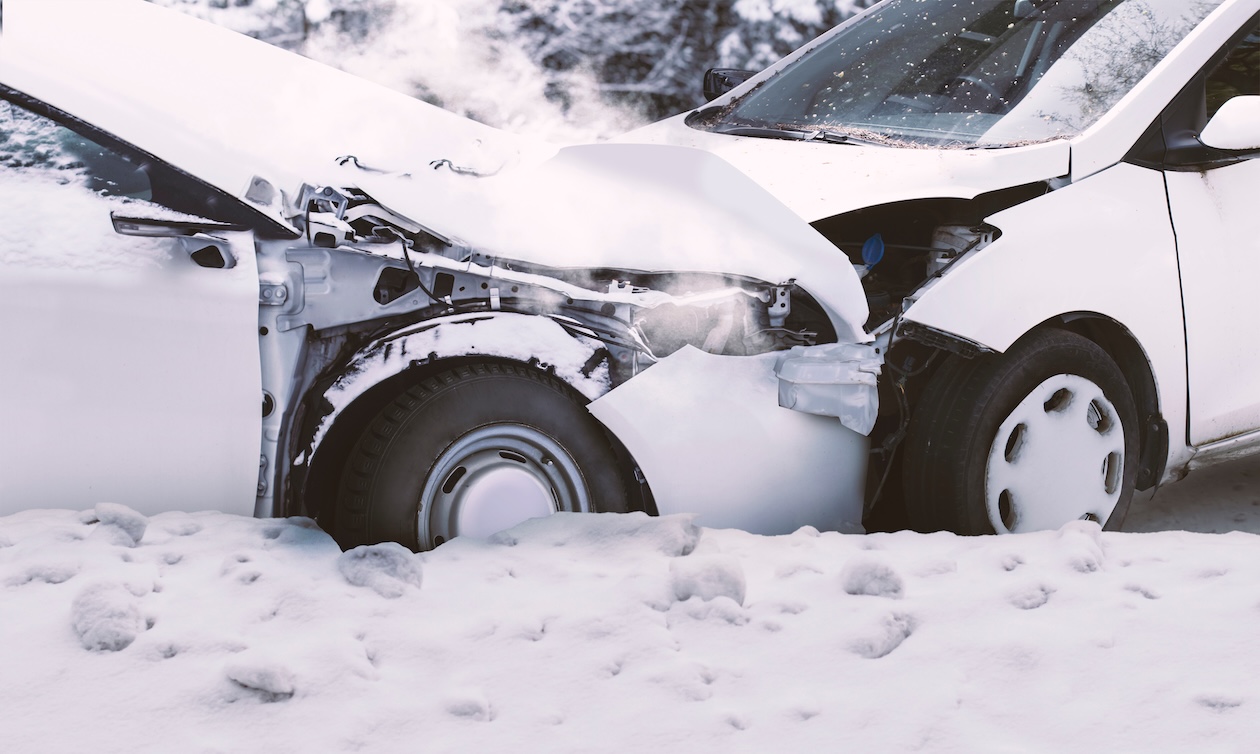 What to Ask a Lawyer After a Weather-Related Accident
Here are helpful questions to bring to your consultation:
- How do road conditions affect liability in my case?
- Can I recover damages if the weather was partly to blame?
- Who will you investigate, including government agencies or property owners?
- What evidence is most important for proving fault?
- What compensation can I seek for medical bills, lost wages, and pain and suffering?
- How long do I have to file a claim in Nevada?
These questions help your attorney evaluate the details of your crash and plan the best strategy for your case.
Schedule a Free Consultation with a Reno Car Accident Attorney
Weather-related crashes in Reno can be complex, especially when ice, snow, or poor road maintenance are factors. The insurance company may try to blame the weather, minimize your injuries, or deny your claim altogether. Speaking with an experienced accident lawyer in Reno can help protect your rights and improve your chances of recovering compensation.
Brent Harsh Law understands how Reno’s climate, terrain, and road conditions influence these cases. The firm offers free consultations and no fees unless a recovery is made. If you were injured in a weather-related accident, reach out today to discuss your case and get the guidance you need.
Frequently Asked Questions
How do weather conditions affect liability in a Reno car accident?
Weather conditions like snow, ice, and heavy rain don’t automatically excuse a driver from fault. Nevada law expects drivers to adjust their driving to the conditions. If someone was speeding, following too closely, or driving recklessly on wet roads, they can still be liable for the crash.
What should I do after a winter car accident in Reno?
Document everything. Take photos of the vehicles, the road, any ice or standing water, and your injuries. Exchange information, report the crash, and get medical attention. Weather-related collisions often lead to disputes over what really happened, so evidence is crucial.
Does insurance cover property damage caused by snow or ice?
Yes, but it depends on the policy. Your auto insurer may handle property damage under collision coverage even when winter weather contributes to the crash. If another driver caused the accident, their liability policy may cover repairs. Filing insurance claims quickly helps prevent delays.
Can a delivery truck or semi-truck accident be blamed on bad weather?
Commercial drivers may be held to a higher reasonable person standard. If a truck accident happened because a driver was going too fast for the road or ignored chain laws, the trucking company can still be responsible. Weather doesn’t erase negligence.
Are Las Vegas car accident laws different from Reno’s when it comes to weather-related crashes?
Both cities follow Nevada state law. The difference is the environment: Las Vegas sees fewer winter hazards, while Reno’s winters create more complex claims involving snow, ice, and wet roads.
How do insurance companies handle weather-related car accident claims?
Insurers investigate whether the accident was unavoidable or caused by a driver’s behavior. They look at skid marks, weather reports, witness statements, and driving conduct. Expect more pushback when severe weather is involved, because insurers often argue that nature — not the driver — caused the crash.
What if more than one driver contributed to the crash?
Nevada uses a modified comparative negligence rule. If you’re less than 50 percent at fault, you can still recover damages, though your compensation decreases by your percentage of fault. This is common in winter accidents where multiple cars slide or lose control.
Do I need a car accident lawyer for a weather-related case?
Not always, but it definitely helps. A car accident lawyer can sort out conflicting statements, obtain expert analysis of road conditions, and negotiate with insurers who may try to reduce your claim by blaming the weather.
Can I still recover for injuries if the roads were icy or wet?
Yes. Injuries like whiplash, broken bones, or back strain are compensable as long as another driver’s negligence contributed to the accident. Weather complicates claims, but it doesn’t eliminate your right to seek medical and financial recovery.
What evidence helps the most in a weather-related driving accident?
Photos of wet roads, snow accumulation, tire tracks, vehicle damage, and the surrounding area. Weather reports, 911 audio, dashcam footage, and witness statements also strengthen your claim.

 Pursu Agency
