
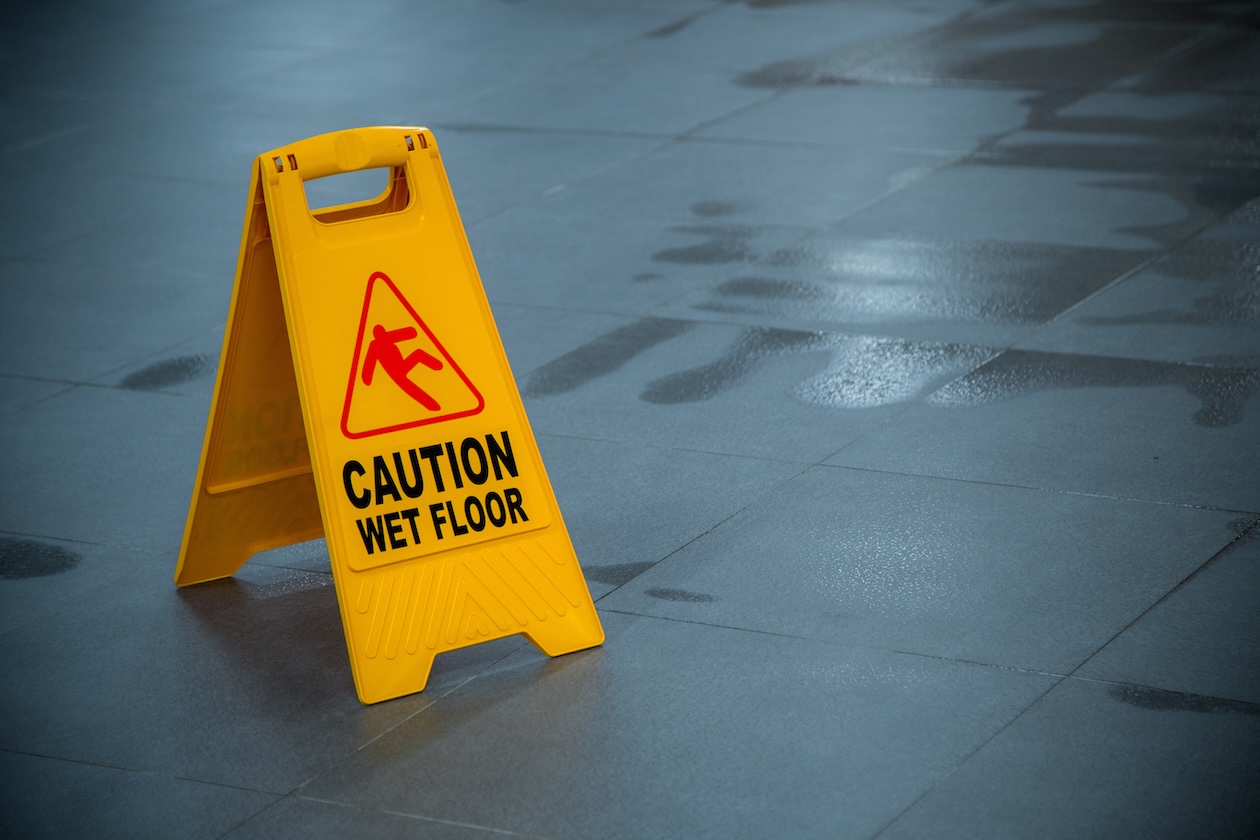
Property owners in Reno have legal responsibilities to use reasonable care to keep visitors safe. While car accidents tend to dominate conversations about personal injury claims, slip-and-fall incidents are a major source of serious injuries and legal disputes, especially in high-traffic environments.
Casinos, hotels, apartment complexes, parking garages, and even private sidewalks can all become sources of liability when hazardous conditions are left unaddressed. For property owners, understanding these risks is essential to preventing injuries and avoiding costly claims. For injury victims, understanding how premises liability works can be key to recognizing when a fall was not just “bad luck” but a preventable incident with legal consequences.
This article explains how premises liability works in Nevada, common slip-and-fall hazards specific to Reno, and what injured individuals should know about their rights and responsibilities.
What Is Premises Liability in Nevada?
Premises liability is a personal injury area of law that holds property owners legally responsible for injuries caused by unsafe or hazardous conditions on their property.
In Nevada, property owners and occupiers are generally required to take reasonable steps to keep their premises safe for people lawfully on the premises. This does not guarantee that no one will ever get hurt. It means identifying foreseeable hazards and addressing them within a reasonable timeframe.
Premises liability applies to a wide range of properties, including:
- Private residences
- Rental properties and apartment complexes
- Retail stores and restaurants
- Hotels and casinos
- Parking lots and parking garages
If a person is injured because a property owner failed to maintain reasonably safe conditions, the owner may be held financially responsible for the resulting damages.
Premises liability claims often involve insurance companies evaluating fault and damages much like other injury cases. If you have never dealt with an injury claim before, do I need a personal injury lawyer if I have insurance? explains how coverage and legal guidance intersect.
Common Slip-and-Fall Hazards in Reno
Reno presents a unique mix of environmental conditions and property types that contribute to slip-and-fall risks. Many of these hazards are predictable and preventable.
Icy Sidewalks in Winter
Reno winters often bring snow, freezing temperatures, and black ice. Sidewalks, entryways, and parking areas can become dangerously slippery when snow and ice are not cleared promptly.
Hazards commonly arise from:
- Delayed snow removal
- Refreezing meltwater overnight
- Shaded areas where ice persists longer
Property owners who fail to address these conditions within a reasonable timeframe may increase their liability risk if someone is injured.
Slippery Floors in Casinos and Hotels
Casinos and hotels experience constant foot traffic, increasing the risk of spills and slippery surfaces. Polished tile floors, spilled drinks, and freshly cleaned surfaces can all pose a hazard without proper warning.
Common issues include:
- Wet floors without visible warning signs
- Poorly maintained flooring materials
- Inadequate staffing to monitor high-traffic areas
High volume does not excuse unsafe conditions. In fact, it often increases a business’s duty to inspect and respond quickly.
Wet or Uneven Parking Garage Ramps
Parking garages are often overlooked in maintenance. Water accumulation, oil residue, uneven pavement, and poor drainage can create serious fall hazards.
These conditions are particularly dangerous for older adults and people with mobility limitations, especially in poorly lit garages.
Construction or Renovation Zones
Construction and renovation projects introduce temporary hazards, including loose cables, uneven flooring, debris, and equipment.
Liability risks increase when:
- Areas are not properly marked or barricaded
- Warning signs are missing or unclear
- The public is allowed near active work zones
Property owners may still be responsible even when third-party contractors are involved.
Stairwells and Entryways
Stairwells and building entrances are common sites of slip-and-fall injuries.
Typical hazards include:
- Missing or loose handrails
- Worn or unsecured carpeting
- Poor lighting
- Uneven steps or thresholds
Because stairways are inherently higher risk, owners are expected to take extra care in maintaining them.
Who Is Responsible for Preventing These Hazards?
Responsibility depends in part on who was injured and why they were on the property.
Nevada law generally recognizes three categories of visitors.
Invitees
Invitees are people invited onto the property for business purposes, such as customers, tenants, hotel guests, or clients. Property owners owe invitees the highest duty of care.
This includes regularly inspecting the premises and either fixing dangerous conditions or warning about them.
Licensees
Licensees are social guests or others allowed on the property for non-business reasons. Owners must warn licensees about known hazards that may not be obvious.
Trespassers
Trespassers are owed a more limited duty of care. However, property owners still cannot intentionally create hazards or act with reckless disregard for safety.
Businesses and commercial property owners are expected to be especially proactive due to the volume and predictability of visitor traffic.
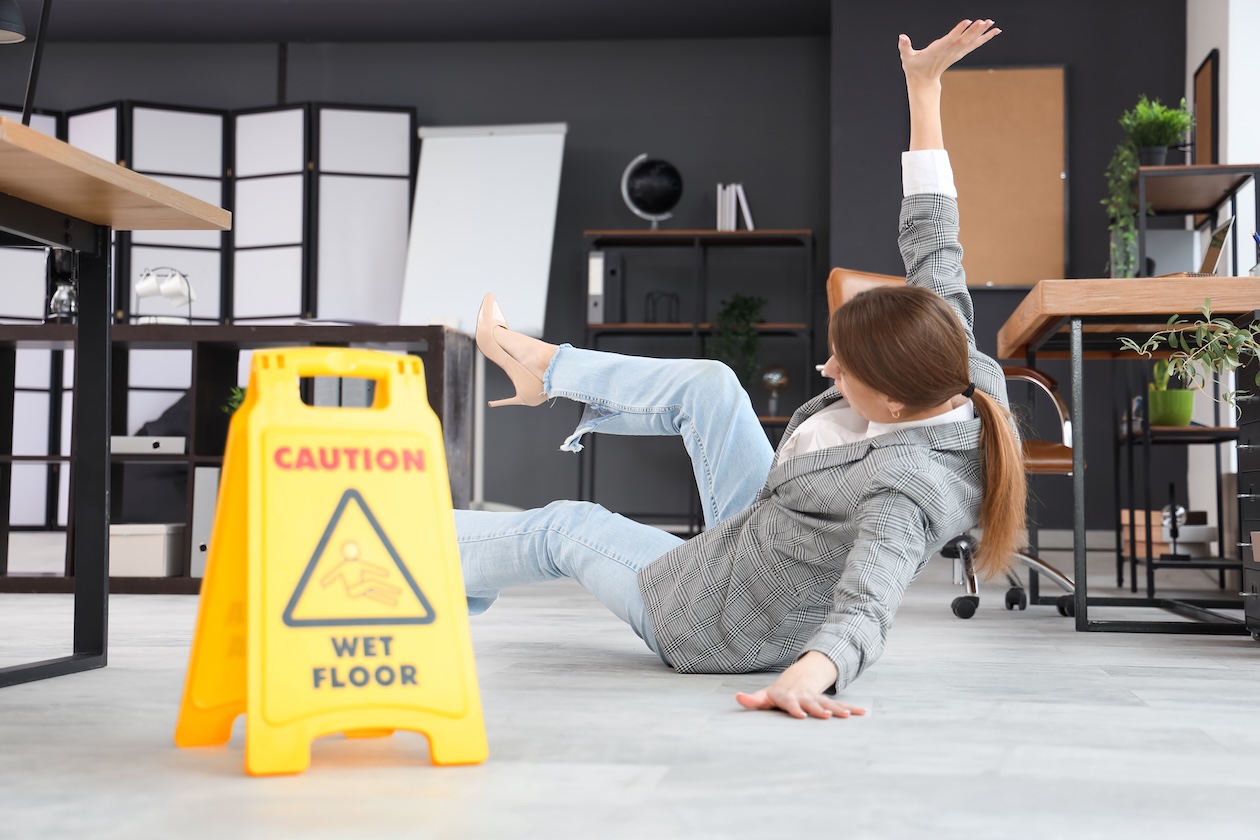 What Happens If Someone Falls on Your Property?
When someone is injured in a slip-and-fall incident, the situation often unfolds quickly.
As with many injury cases, insurers may begin evaluating fault and damages quickly. The warning signs outlined in 7 signs your insurance company is lowballing your personal injury claim are especially relevant in slip-and-fall situations.
An injured person may:
- Seek medical treatment
- Report the incident to management
- File an insurance claim
- Consult with a personal injury attorney
To succeed in a premises liability claim, the injured person typically must show:
- A dangerous condition existed
- The property owner knew or should have known about it
- The hazard was not adequately repaired or warned against
- The condition directly caused the injury
- The property owner did not exercise reasonable care
Property owners may face insurance claims, lawsuits, or settlement demands depending on the severity of the injury.
Can Property Owners Be Sued for Slip-and-Fall Injuries?
Yes. Property owners can and often are sued for slip-and-fall injuries, particularly when injuries are serious or long-lasting.
However, owners are not automatically liable for every fall. Common defenses include:
- The hazard was open and obvious
- Reasonable warning signs were posted
- The owner addressed the hazard promptly
- The injured person failed to exercise reasonable care
- The property owner exercised reasonable care
Nevada follows a comparative negligence system. If the injured person is partially at fault, any compensation may be reduced accordingly unless the injured person is more than 50% at fault.
For property owners, detailed maintenance records, inspection logs, and incident reports can be critical in defending against claims.
How an Attorney Can Help
Premises liability cases often turn on details that are easy to overlook.
For injury victims, an attorney can help:
- Investigate the cause of the fall
- Preserve evidence before conditions change
- Work with medical providers and experts
- Negotiate with insurers or pursue litigation if needed
Early legal guidance often prevents costly mistakes on both sides.
Reno-Specific Legal Considerations
Reno’s environment and property landscape create unique risk factors.
Local considerations may include:
- Seasonal snow and ice accumulation
- High-traffic casino and hotel properties
- University-area rentals with frequent tenant turnover
- Construction activity in downtown and commercial districts
Nevada statutes and local ordinances can affect how premises liability claims are evaluated, particularly with respect to notice, maintenance expectations, and time limits for filing claims. These rules are fact-specific and often benefit from legal interpretation rather than assumptions.
 Free Consultation: Know Your Rights and Responsibilities
Slip-and-fall injuries are often dismissed as minor or unavoidable, but they can lead to serious medical issues, lost income, and long-term consequences. Likewise, property owners may not realize their exposure until a claim is already underway.
At Brent Harsh Law, we work with injured individuals to navigate premises liability issues in Reno and throughout Nevada. We focus on clear guidance, practical solutions, and early intervention when possible.
Free consultations are available to help you understand your rights, responsibilities, and next steps, whether you are dealing with an injury or managing property risk.
FAQs About Premises Liability in Reno
What if the person who fell wasn’t invited?
Liability depends on the circumstances. While duties owed to trespassers may be more limited, owners may still be responsible in certain situations.
Do I have to shovel my sidewalk in Reno?
Local expectations and timing matter. Failure to address snow and ice within a reasonable period can increase liability risk.
Can I still sue if I slipped in a casino?
Yes. Casinos owe a high duty of care due to constant foot traffic and known spill risks.
How long do I have to file a claim in Nevada?
Nevada has strict statutes of limitations. Waiting too long can bar recovery entirely.
When should I contact a premises liability lawyer after a fall?
It is generally best to contact a premises liability lawyer as soon as possible after an accident. Early legal guidance can help preserve evidence, document the hazardous condition, and prevent insurance companies from minimizing or denying a premises liability claim before the full extent of injuries is known.
What damages can be recovered in a premises liability lawsuit?
Damages in a premises liability lawsuit may include medical expenses, lost wages, future treatment costs, and compensation for pain and suffering. In more serious personal injury cases, damages may also account for long-term disability or reduced quality of life, depending on how the accident affected the injured person.
Do I need a premises liability attorney if the accident seemed minor?
Even accidents that initially seem minor can lead to more serious injuries over time. A premises liability attorney can help evaluate whether a property owner may be legally responsible and whether pursuing a claim makes sense before insurance deadlines or legal time limits expire.

 Pursu Agency
