
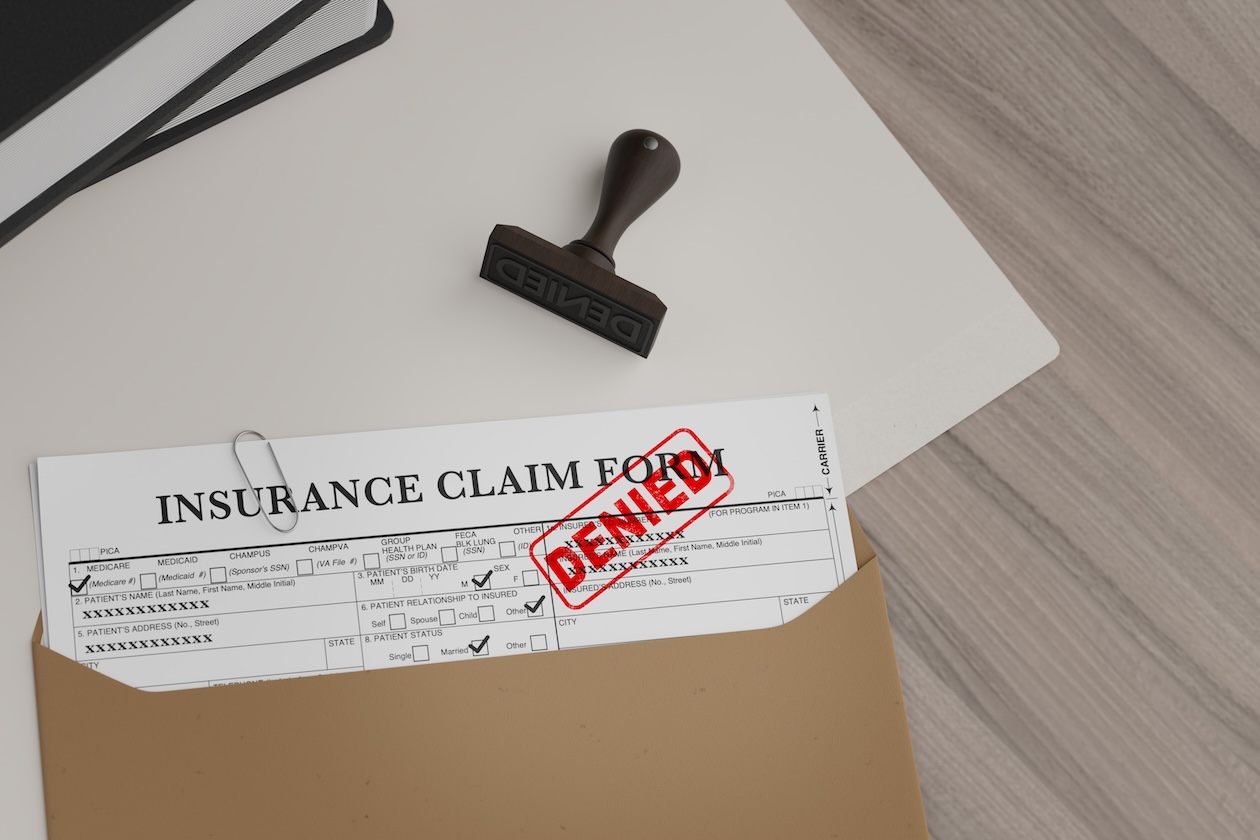
Filing a personal injury claim after an accident can be stressful enough without receiving a denial from the insurance company. You may be dealing with medical bills, missed work, ongoing pain, and uncertainty about your recovery. When the insurer refuses to pay, it can feel like your opportunity for compensation has disappeared.
However, a denied personal injury claim in Nevada does not necessarily mean your case is over. Insurance companies deny claims for many reasons, including disagreements about fault, questions about medical treatment, insufficient evidence, and disputes over policy coverage. Some denials may be challenged with additional documentation or further negotiations, while others may require legal action.
Understanding why your claim was denied and what options remain can help you protect your rights and make informed decisions about your next steps.
What Does It Mean When an Insurance Company Denies a Personal Injury Claim?
An insurance claim denial occurs when an insurance company refuses to pay some or all of the compensation requested under a claim.
In personal injury cases, this often involves a claim submitted to the liability insurer of the person or business allegedly responsible for the accident. The insurer may investigate the circumstances, review medical documentation, evaluate liability, and determine whether its policy provides coverage.
A denial can mean the insurance company believes:
- Its policyholder was not legally responsible for the accident.
- Your injuries were unrelated to the incident.
- The available evidence does not support your claim.
- The insurance policy does not cover the loss.
- You failed to satisfy an applicable requirement or deadline.
It is important to distinguish between an insurance company’s decision and a court’s legal determination.
An insurer denying your claim does not automatically eliminate your right to pursue compensation. Depending on the circumstances, you may still be able to provide additional evidence, negotiate with the insurer, pursue another available source of coverage, or file a personal injury lawsuit.
Your available options depend on the reason for the denial, the type of insurance involved, and the applicable Nevada laws.
Common Reasons Personal Injury Claims Are Denied
Insurance companies evaluate personal injury claims based on liability, medical evidence, policy provisions, and other factors. Understanding the insurer’s reasoning is often the first step toward determining whether the denial can be challenged.
The Insurance Company Disputes Fault
One of the most common reasons for an insurance claim denial is a disagreement about who caused the accident.
For example, after a car crash, the other driver’s insurance company might argue that its policyholder was not responsible or that your actions contributed significantly to the collision.
Fault disputes may involve conflicting driver statements, witness accounts, police reports, photographs, or other evidence.
Nevada follows a modified comparative negligence system, meaning that an injured person may still recover damages when partially responsible for an accident, provided their negligence does not exceed the combined negligence of the defendants against whom recovery is sought.
An insurance company’s initial fault assessment is not necessarily the final determination of liability.
There Was a Delay or Gap in Medical Treatment
Insurance companies often examine how quickly an injured person sought medical attention and whether treatment continued consistently afterward.
If you waited several days to see a doctor or experienced a significant gap between appointments, the insurer may argue that:
- Your injuries were not serious.
- Your condition developed after the accident.
- Something unrelated caused your symptoms.
- You recovered and no longer needed treatment.
However, delayed treatment does not automatically mean an injury claim is invalid.
Some injuries produce symptoms gradually. Others may initially seem minor before becoming more painful or limiting. Financial difficulties, scheduling challenges, or a physician’s recommended treatment plan may also explain gaps in care.
Medical documentation can help establish when symptoms began, how they progressed, and whether they are connected to the accident.
The Insurer Questions Whether the Accident Caused the Injury
Even when an insurer accepts that an accident occurred, it may dispute whether the incident caused the injuries for which you are seeking compensation.
This is known as a medical causation dispute.
For example, an insurer may acknowledge that a rear-end collision happened but argue that the impact could not have caused the back injury described in your medical records.
Medical imaging, physician evaluations, treatment notes, and expert opinions may help establish the relationship between the accident and the injury.
The strength of the evidence is especially important when symptoms are difficult to measure objectively or when multiple potential causes exist.
The Claim Involves a Pre-Existing Condition
Having a pre-existing medical condition does not automatically prevent someone from recovering compensation after an accident in Nevada.
However, insurers may use an existing injury or diagnosis to question whether the accident caused the claimant’s current symptoms.
For example, someone with a history of back problems may experience significantly worse pain after a collision. The insurer might argue that the person’s symptoms are entirely attributable to the earlier condition.
The key question is whether the accident caused a new injury or aggravated an existing condition.
Medical records documenting the person’s condition before and after the accident can be particularly valuable.
There Is Not Enough Supporting Documentation
Insurance companies may deny claims when they believe there is insufficient evidence to establish liability, injuries, or damages.
Missing documentation might include:
- Accident or incident reports.
- Medical records and diagnostic results.
- Photographs of the accident scene or injuries.
- Witness statements.
- Proof of lost wages.
- Bills and receipts related to the injury.
Statements made to an insurance adjuster can also create problems when they are inconsistent with other evidence or are interpreted as admissions about fault or the severity of injuries.
Providing additional relevant documentation may help resolve some disputes, although the insurer is not required to accept every explanation or piece of evidence submitted.
The Insurance Policy May Not Cover the Claim
Some claims are denied because the insurer believes the accident or loss falls outside the policy’s coverage.
Coverage disputes may involve:
- Policy exclusions.
- A policy that was not in effect when the accident occurred.
- A driver or activity that may not be covered.
- Disagreements about which insurance policy applies.
- The amount of compensation requested exceeds the policy’s available coverage limits.
A coverage denial does not necessarily mean the responsible party has no personal legal liability.
Depending on the facts, other insurance coverage or legal avenues may be available.
A Deadline May Have Been Missed
Personal injury claims can involve several different deadlines, including insurance notification requirements, contractual claim procedures, and statutory filing deadlines.
In Nevada, NRS 11.190(4)(e) generally establishes a two-year statute of limitations for personal injury lawsuits.
However, exceptions and different deadlines may apply depending on the type of claim, the injured person’s circumstances, and the parties involved.
Importantly, an insurance company’s internal claim deadline is not necessarily the same as the deadline to file a lawsuit.
Waiting too long to pursue legal action can permanently affect your ability to recover compensation, even if you have been communicating with the insurer.
Can You Challenge a Denied Personal Injury Claim?
Yes. Depending on the circumstances, a denied personal injury claim may be challenged.
The appropriate approach depends on why the insurance company denied the claim and whether the denial involves liability, medical evidence, coverage, or procedural requirements.
Potential options include submitting additional documentation, requesting reconsideration, negotiating with the insurer, or pursuing litigation against the legally responsible party.
For example, if an insurer denied a claim because it believed you were responsible for a car accident, additional witness testimony or traffic camera footage might support a different assessment of fault.
If the denial involved medical causation, a physician’s explanation of how the accident caused or aggravated your injuries may help address the insurer’s concerns.
However, not every denial has a formal appeal process. Third-party liability claims generally differ from claims made under your own insurance policy, which may contain specific review procedures.
A Reno personal injury attorney can review the denial, identify potential weaknesses in the insurer’s position, and explain which options may be available.
What to Do After Your Injury Claim Is Denied
Receiving a denial can be discouraging, but your response can influence what happens next.
Taking organized, deliberate steps can help preserve evidence and prevent avoidable mistakes.
Read the Denial Letter Carefully
Start by reviewing the insurance company’s written explanation.
Look for the specific reason the claim was denied, any policy provisions cited, and any instructions or deadlines for requesting reconsideration.
If the explanation is unclear, consider requesting clarification in writing.
Understanding the stated reason helps determine which evidence or legal issues need attention.
Gather Medical Records and Other Evidence
Collect documents that support your account of the accident, injuries, treatment, and financial losses.
Relevant records may include emergency department reports, physician notes, diagnostic imaging, physical therapy records, accident reports, photographs, and wage statements.
If the insurer claims your injuries are unrelated to the accident, medical documentation explaining the connection may be particularly important.
Avoid altering records or attempting to fill documentation gaps with unsupported statements.
Preserve All Insurance Communications
Keep copies of letters, emails, claim forms, settlement offers, and other communications with the insurance company.
It may also be helpful to maintain a written log of telephone conversations, including dates, names, and the subjects discussed.
These records can help establish what information the insurer requested, what explanations it provided, and how the claim developed.
Review Liability and Coverage Issues
A denial based on fault or coverage may require a closer examination of the accident and the applicable insurance policies.
For example, the insurer may have relied on incomplete information when determining responsibility, or another policy may provide coverage.
An attorney can evaluate the available evidence and identify whether additional investigation is appropriate.
Avoid Accepting the Denial Without Reviewing Your Options
An insurance company’s denial is not necessarily a final legal judgment.
Before abandoning the claim, signing a release, or accepting a settlement that resolves your rights, consider having the circumstances reviewed.
You should also be cautious about providing unnecessary additional recorded statements or speculative explanations to an adjuster without understanding how that information may affect your claim.
Most importantly, do not assume that requesting reconsideration automatically extends the time available to file a lawsuit.
What Evidence Can Help Overcome a Claim Denial?
The evidence needed to challenge a denial depends on the insurer’s stated objections.
A successful response often involves addressing the specific factual or legal issue the insurance company disputes.
| Evidence | How It May Support Your Claim |
|---|---|
| Medical records | Document diagnoses, symptoms, treatment, and recovery. |
| Diagnostic testing | Provide evidence of certain injuries or medical conditions. |
| Accident reports | Record details about the incident and initial investigation. |
| Photographs and videos | Help establish accident conditions, visible injuries, or property damage. |
| Witness statements | Provide independent accounts of what occurred. |
| Medical expert opinions | Address whether the accident caused or aggravated an injury. |
| Wage and employment records | Support claims for lost income or reduced earning capacity. |
| Bills and receipts | Document injury-related financial losses. |
| Prior medical records | Help distinguish pre-existing conditions from new or aggravated injuries. |
Not every claim requires every type of evidence.
For example, a disputed liability claim may depend heavily on witness accounts and accident reconstruction, while a medical causation dispute may require detailed physician opinions.
The goal is to develop evidence that directly addresses the reason for the denial.
How Nevada Comparative Negligence Can Affect a Denied Claim
Nevada’s comparative negligence law may allow you to recover compensation even if you were partially responsible for the accident.
Under NRS 41.141, an injured person is not automatically barred from recovering compensation simply because they contributed to an accident.
Generally, recovery is permitted when the injured person’s negligence is not greater than the combined negligence of the defendants against whom recovery is sought. The person’s damages are reduced according to their percentage of fault.
For example, suppose a jury determines that your total damages are $100,000.
| Your Percentage of Fault | Potential Recovery |
|---|---|
| 0% | $100,000 |
| 20% | $80,000 |
| 40% | $60,000 |
| 50% | $50,000 |
| 51% | Generally barred under Nevada’s comparative negligence rule |
These examples assume the applicable comparative negligence rules govern the claim and do not account for other limitations on recovery.
An insurance company may argue that you were primarily responsible for the accident in an effort to deny the claim or reduce its settlement value.
However, the insurer’s assessment does not conclusively establish your legal percentage of fault.
Accident reconstruction evidence, witness testimony, photographs, and other documentation may help challenge an inaccurate liability determination.
What If the Claim Was Denied Because of a Pre-Existing Injury?
A pre-existing injury can complicate a personal injury claim, particularly when the accident affected the same part of the body.
However, an injured person may be entitled to compensation for additional harm caused by another party’s negligence, even when they had an existing medical condition.
For example, someone with a previously manageable neck condition might experience increased pain, new limitations, or additional treatment needs following a collision.
The important distinction is between the effects of the original condition and any additional injury or aggravation attributable to the accident.
Evidence that may help includes medical records from before and after the incident, physician opinions, diagnostic testing, and documentation of changes in symptoms or physical abilities.
An insurer cannot necessarily defeat an otherwise valid injury claim simply by pointing to an earlier diagnosis.
Nevertheless, compensation generally must be tied to harm legally attributable to the accident rather than unrelated medical problems.
What If the Insurance Company Says You Waited Too Long to Get Treatment?
A delay in medical treatment is frequently used to question the seriousness or cause of an injury.
An insurance company might argue that someone who did not immediately seek treatment could not have been seriously injured.
But that assumption does not account for every situation.
Some accident-related injuries become noticeable only after inflammation, stiffness, or other symptoms develop. In other cases, an injured person may initially underestimate the severity of the condition.
Treatment gaps may also occur because of appointment availability, insurance issues, financial limitations, or a physician’s recommendations.
When delayed treatment becomes an issue, the following information may help:
- Medical records documenting when symptoms were first reported.
- Notes explaining why treatment was delayed.
- Evidence of symptoms that developed or worsened over time.
- Physician opinions connecting the injury to the accident.
- Documentation showing adherence to recommended treatment.
Although delayed treatment can create evidentiary challenges, it does not automatically eliminate the right to pursue compensation.
Seeking appropriate medical care and accurately reporting symptoms can help establish a reliable treatment history.
Some accident-related injuries may not cause noticeable symptoms right away. Understanding how delayed injuries after an accident can affect a claim is important when an insurer questions the timing of medical treatment.
Can a Denied Insurance Claim Still Lead to a Lawsuit?
Yes. An insurance company’s refusal to pay a personal injury claim does not necessarily prevent the injured person from filing a lawsuit.
In a typical third-party liability case, the insurance company evaluates the claim on behalf of its policyholder. If the insurer denies liability or refuses to offer an acceptable settlement, the injured person may still have a legal claim against the person or business allegedly responsible for the injury.
For example, if another driver’s insurer denies your car accident claim, you may still be able to file a negligence lawsuit against the responsible driver.
The lawsuit generally concerns the defendant’s legal responsibility for the accident, not simply whether the insurance adjuster made the correct decision.
There are important distinctions between suing an allegedly negligent party and pursuing a separate claim against an insurer for improper claim handling. Different legal rules apply, particularly when the injured person is not the insurer’s policyholder.
In most Nevada personal injury cases, the statute of limitations is generally two years under NRS 11.190(4)(e), although exceptions and special circumstances can change the applicable deadline.
An insurance denial does not ordinarily restart or extend the statute of limitations.
For that reason, it is important to evaluate potential legal action promptly, especially when negotiations or requests for reconsideration are ongoing.

Don’t Let an Insurance Denial Stand Between You and Fair Compensation
A denied personal injury claim does not necessarily mean you have run out of options. Whether the insurance company is disputing liability, questioning your injuries, or refusing to provide adequate compensation, having an experienced legal advocate on your side can make a difference.
At Brent Harsh Law, we understand how overwhelming it can be to face an insurance dispute while recovering from an injury. Our firm helps injured individuals in Reno and throughout Nevada navigate complicated claims, challenge unfair insurance decisions, and pursue the compensation they may be entitled to receive. We take the time to understand your situation, explain your legal options, and advocate for your interests throughout the claims process.
If your personal injury claim was denied in Nevada, contact Brent Harsh Law today to discuss your case and learn how we can help you move forward.
Frequently Asked Questions
Can I appeal a denied personal injury claim in Nevada?
You may be able to request reconsideration or challenge a denial, depending on the type of insurance claim and the reason it was rejected. Some first-party insurance policies include specific review or appeal procedures. Third-party liability claims may instead involve further negotiations or a lawsuit against the allegedly responsible party. Not every insurance denial comes with a formal appeal process.
Why would an insurance company deny an injury claim?
Common reasons include disputed liability, insufficient evidence, delayed medical treatment, questions about whether the accident caused the injury, pre-existing conditions, policy exclusions, and missed deadlines. Insurers may also rely on inconsistent statements or disagreements about the extent of the claimant’s damages.
Can a claim be denied because I had a pre-existing condition?
An insurance company may deny a claim if it believes your symptoms are attributable to a pre-existing condition rather than the accident. However, having a prior injury does not automatically prevent recovery. You may still be entitled to compensation if the accident caused a new injury or aggravated an existing condition. Medical evidence is often essential to establishing that connection.
What if the insurer says the accident was partly my fault?
Nevada follows a modified comparative negligence rule under NRS 41.141. You may still recover damages if your negligence is not greater than the combined negligence of the defendants against whom recovery is sought. Your compensation is generally reduced by your percentage of fault. If your negligence exceeds that threshold, recovery is generally barred under the statute.
Can I still file a lawsuit after an insurance claim is denied?
Yes. A denial from an insurance company does not automatically prevent you from filing a personal injury lawsuit against the legally responsible party. Whether you have a viable case depends on the evidence, applicable law, and filing deadlines. In a typical third-party injury claim, the lawsuit is generally brought against the allegedly negligent person or business rather than the insurer.
How long do I have to challenge a denied injury claim in Nevada?
The applicable deadline depends on the type of claim and the action you intend to take. Under NRS 11.190(4)(e), most Nevada personal injury lawsuits must generally be filed within two years after the claim accrues, which is typically the date of the injury. However, exceptions, tolling provisions, and different deadlines may apply depending on the circumstances. Insurance policies may also impose separate notification or review deadlines. Requesting reconsideration does not ordinarily extend the lawsuit filing deadline.


 Pursu Agency

